
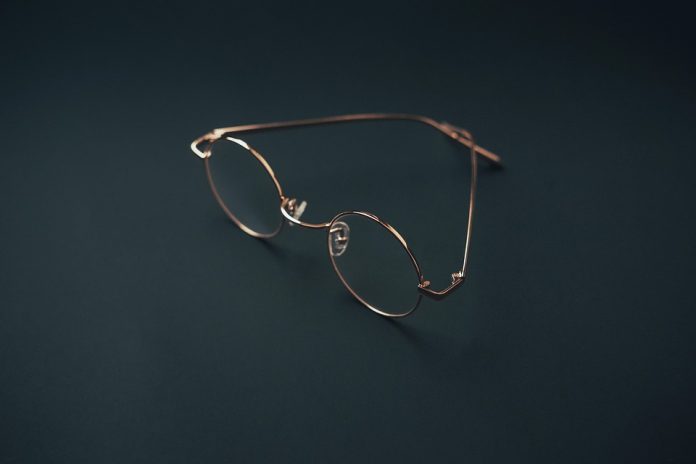
Vision is one of our most treasured senses, enabling us to navigate the world, experience beauty, and connect with others. From an early age, we learn to appreciate the vibrant colors of a sunset, the details in a loved one’s face, and the intricacies found in nature. However, in the modern age, our vision is under constant threat from various factors. Understanding the importance of our eyesight, recognizing threats to visual health, and adopting preventive measures is essential for preserving this precious gift.
The Importance of Vision
Vision plays a crucial role in nearly every aspect of life. It enhances our experiences, contributes to our emotional well-being, and facilitates interaction with our environment. For children, good vision is critical for learning and development. As adults, our careers and daily activities significantly rely on healthy eyesight. Aging populations often face various vision issues, making the maintenance of eye health increasingly crucial.
The Connection Between Vision and Well-Being
The impact of vision on mental health can be profound. Good visual health promotes independence, reduces the risk of anxiety and depression, and enhances the quality of life. Conversely, compromised vision can lead to feelings of isolation, dependency, and frustration. Recognizing this connection can incentivize individuals to prioritize their eye care.
Threats to Vision
-
Digital Eye Strain: The rise of smartphones, tablets, and computers has increased the risk of digital eye strain, characterized by symptoms such as headaches, dry eyes, and blurred vision. Prolonged screen time can overwhelm our visual systems, leading to discomfort.
-
UV Radiation: Long-term exposure to ultraviolet (UV) rays from the sun can have detrimental effects on eye health, contributing to cataracts, macular degeneration, and photokeratitis. Wearing sunglasses that block 100% UVA/UVB rays is crucial for outdoor activities.
-
Nutrition: A poor diet lacking essential vitamins and minerals can negatively impact eye health. The eyes require nutrients, such as omega-3 fatty acids, vitamins C and E, zinc, and lutein, to function properly and protect against age-related conditions.
-
Aging: As we age, the likelihood of developing vision-related problems increases. Conditions like cataracts, glaucoma, and macular degeneration are more prevalent in older adults, making regular eye exams essential.
-
Tobacco and Alcohol Use: Tobacco use increases the risk of eye diseases, including cataracts and macular degeneration. Similarly, excessive alcohol consumption can lead to nutrient deficiencies affecting eye health.
Protecting Your Vision
Protecting your vision involves a combination of lifestyle changes, regular health monitoring, and preventive practices. Here are several strategies to consider:
1. Regular Eye Exams
Routine eye exams are vital for monitoring visual health. They can detect issues early, even before symptoms arise. Adults should have comprehensive eye examinations every one to two years, while children should undergo these assessments regularly, as their visual systems are still developing.
2. Follow the 20-20-20 Rule
To combat digital eye strain, adhere to the 20-20-20 rule: every 20 minutes of screen time, take a 20-second break and look at something 20 feet away. This practice helps to relax the eye muscles, reducing fatigue and discomfort.
3. Wear Sunglasses
Choose sunglasses that block 100% of UVA and UVB rays. Opt for wraparound frames that offer additional coverage. This protective measure is especially important during sunny days or when skiing or boating, where reflection increases UV exposure.
4. Maintain a Healthy Diet
Opt for a diet rich in leafy greens, colorful fruits, and fish high in omega-3 fatty acids. Nutrient-rich foods are vital in maintaining eye health. Foods like carrots, spinach, kale, and salmon can contribute to better vision.
5. Stay Hydrated
Drinking plenty of water helps to keep your body and eyes hydrated. Dehydration can lead to dry eyes, so maintaining water intake throughout the day is beneficial.
6. Don’t Smoke
If you’re a smoker, seek assistance for cessation. Avoiding tobacco can lower the risk of developing many eye-related diseases associated with aging.
7. Limit Alcohol Consumption
Moderate or limit your alcohol intake, as excessive consumption can lead to deficiencies that negatively affect your vision.
8. Protect Your Eyes in the Workplace
If your job involves the use of potentially harmful materials (chemicals, flying debris, etc.), always wear appropriate protective eyewear. Similarly, take regular breaks if your job requires extensive screen time.
9. Manage Chronic Conditions
Conditions such as diabetes and hypertension can have severe consequences for eye health. Proper management can reduce the risk of complications like diabetic retinopathy or hypertensive retinopathy.
10. Consider Protective Eyewear for Sports
If you participate in sports activities, especially contact or high-impact sports, consider wearing protective eyewear. This can help prevent injuries caused by stray balls or other impacts.
Conclusion
Vision is a precious gift, and protecting it should be a priority for everyone. By adopting healthy habits and making informed choices, we can safeguard our eyesight for years to come. Understanding the threats to vision and implementing protective measures will not only enhance our current quality of life but contribute to a future where we can enjoy all the beauty the world offers.
FAQ Section
Q1: How often should I have an eye exam?
A: Adults should have a comprehensive eye exam every one to two years. Children should have regular assessments, particularly before entering school.
Q2: What are the symptoms of digital eye strain?
A: Common symptoms include blurred vision, headaches, dry eyes, and discomfort. If you experience these symptoms frequently, consider consulting an eye care professional.
Q3: Can a diet really impact my vision?
A: Yes, a diet rich in vitamins, minerals, and antioxidants can significantly impact eye health, helping to protect against age-related conditions.
Q4: Are there specific foods I should eat for better eyesight?
A: Foods high in omega-3 fatty acids, vitamins C and E, zinc, and lutein, such as leafy greens, carrots, fish, and citrus fruits, are beneficial for maintaining healthy vision.
Q5: Is it possible to reverse certain eye conditions through lifestyle changes?
A: While some eye conditions can be managed or their progression slowed through lifestyle changes, others, particularly age-related diseases, may require medical treatment. Always consult with an eye care professional for an accurate diagnosis and treatment plan.
By recognizing the importance of eye health and taking proactive steps, you can ensure that you appreciate the beauty of the world around you for many years to come.